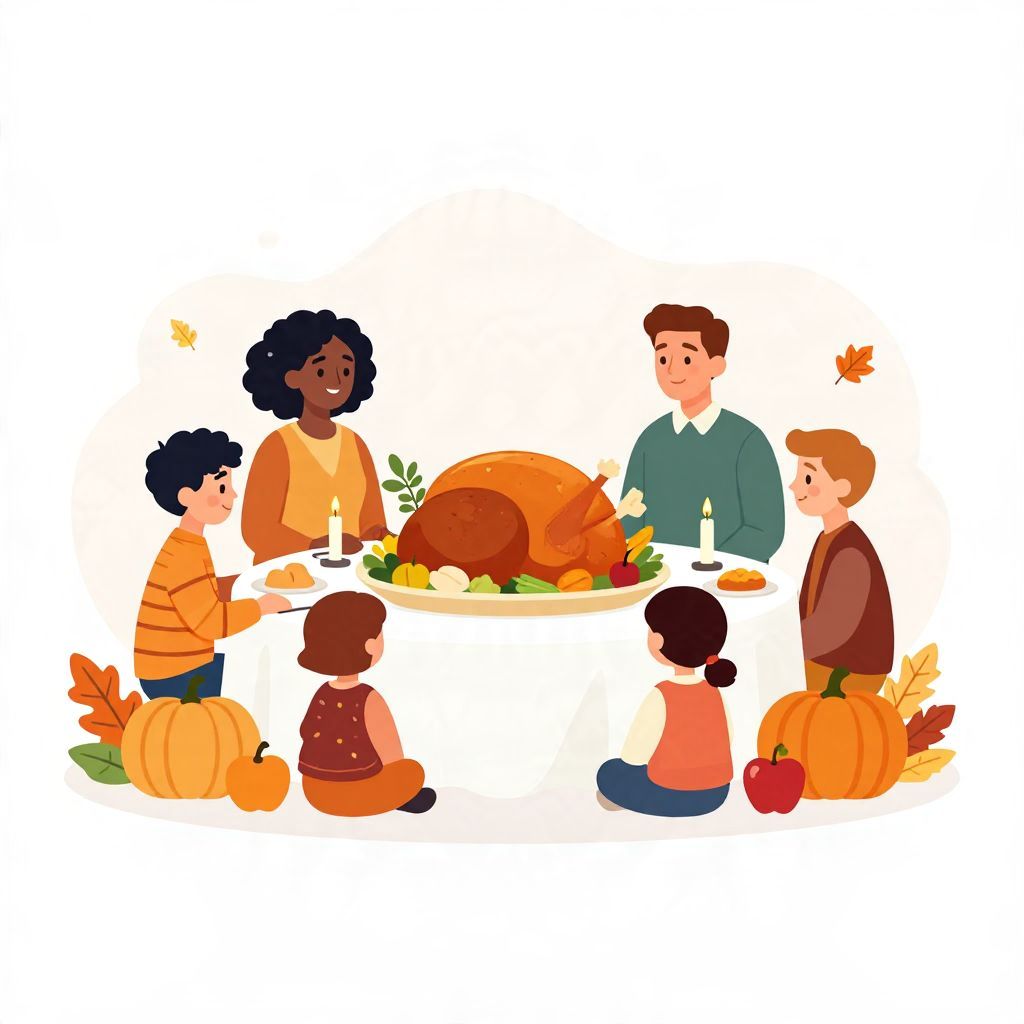
Many people ask whether Jews celebrate Thanksgiving, and the answer touches more than custom. It reaches into gratitude, identity, and the way God calls His people to give thanks in every season.
Jews in America often celebrate Thanksgiving in a cultural sense, and many do so with real gratitude to God. Scripture teaches that thanksgiving belongs to the Lord first, so the deeper question is not just whether Jews celebrate Thanksgiving, but how any people group honors God with thankful hearts.
Do Jews Celebrate Thanksgiving?
Yes, many Jews celebrate Thanksgiving in America by gathering with family, sharing a meal, and giving thanks for God’s provision. Jewish faith does not require Thanksgiving as a religious holy day, yet many Jewish homes treat it as a meaningful civic holiday filled with gratitude.
Why the Answer Is Usually Yes
Thanksgiving does not belong to one faith group alone. It invites people to pause, eat too much pie, and admit that good gifts come from God.
Many Jewish families join the holiday because it fits deeply with biblical gratitude. The Hebrew Scriptures repeatedly call God’s people to thank Him for deliverance, food, peace, and covenant mercy.
Thanksgiving Is Not a Jewish Religious Feast
Judaism marks its own sacred festivals, such as Passover, Shavuot, and Sukkot. Thanksgiving does not appear in the Torah as a commanded feast, so Jewish observance of it stays cultural rather than covenantal.
That matters, since the Bible draws a line between human tradition and God’s commands. Jesus warned against treating human customs as if they carried divine authority, yet He never condemned gratitude itself.
What Scripture Says About Thanksgiving
Scripture places thanksgiving at the center of faithful living. Psalm 107:1 says, “Give thanks to the Lord, for he is good; his love endures forever” (NIV), and that truth reaches every nation and every household.
God Commands Gratitude
Paul writes in 1 Thessalonians 5:18, “give thanks in all circumstances; for this is God’s will for you in Christ Jesus” (NIV). That command does not depend on ethnicity, politics, comfort, or a full table.
Gratitude trains the heart to see God’s hand rather than only human effort. Have you noticed how quickly the soul forgets grace when life feels ordinary?
Thanksgiving Guards the Heart
Philippians 4:6 joins prayer and thanksgiving together, showing that gratitude steadies anxious hearts. Thanksgiving does not deny trouble; it places trouble in the presence of a faithful God.
That truth matters for Jewish and Gentile believers alike. God does not ask His people to pretend life feels easy, but He does call them to remember His goodness in the middle of difficulty.
How Jewish Families Often Observe Thanksgiving
Jewish families in America often celebrate Thanksgiving with turkey, family gatherings, and prayers of thanks. Some keep the holiday fully, some keep part of it, and some approach it with more caution, depending on family tradition and conviction.
Cultural Participation
Many Jewish homes treat Thanksgiving as a chance to gather across generations. The meal may include traditional American dishes, Jewish foods, or both, which proves that a table can hold more than one tradition without falling apart.
For some families, the day offers a safe and joyful space to express gratitude without religious conflict. For others, it feels like a distinctly American custom that sits outside Jewish worship.
Religious Caution
Some Jews avoid giving the holiday religious weight because they want to keep clear boundaries around worship. That caution reflects a serious concern in Scripture: God alone deserves sacred devotion.
Jewish believers who honor the Lord often ask whether a practice draws the heart toward God or merely toward habit. That question serves Christians too, since empty rituals can survive in a church pew just as easily as in a dining room.
What Christians Can Learn From Jewish Thanksgiving Practices
Christians can learn to give thanks with more intention. Jewish life often keeps gratitude tied to memory, family, and the God who acts in history, and Scripture calls Christians to the same kind of remembering.
Gratitude Needs Memory
Deuteronomy repeatedly tells God’s people to remember what He has done. Forgetfulness breeds pride, but remembrance produces thanksgiving.
When believers remember rescue, provision, and mercy, gratitude grows roots. A thankful heart stays softer than a self-satisfied one.
Gratitude Needs Practice
Thanksgiving grows stronger when people speak it, sing it, and pray it. The Psalms model this well, since they move from distress to praise without pretending pain never existed.
Here are simple ways to practice biblical thanksgiving:
- Thank God by name for specific gifts, not vague blessings.
- Read Psalm 100 and pray it slowly with your family.
- List three mercies before the meal begins.
- Invite Scripture into the table instead of letting the meal run on autopilot.
Why Thanksgiving Matters for Every Believer
Thanksgiving reveals what the heart believes about God. A grateful person admits dependence, and dependence stands at the center of true worship.
Thanksgiving Fights Pride
Pride says, “I earned this.” Thanksgiving says, “God gave this.” That difference may sound small, but it changes everything about how a person lives before the Lord.
James 1:17 says, “Every good and perfect gift is from above” (NIV). When believers hold that truth, they stop worshiping their own effort and start honoring the Giver.
Thanksgiving Strengthens Witness
A thankful Christian stands out in a bitter age. People notice when someone gives credit to God without sounding fake or forced.
That witness matters in Jewish-Christian conversations too. Shared gratitude can open doors for honest talk about the God who gives every good gift.
How to Honor God During Thanksgiving
Christians can celebrate Thanksgiving with joy, humility, and biblical clarity. The day need not become a hollow tradition if believers keep God at the center.
Practical Ways to Keep the Day Centered on God
Try these simple practices:
- Begin with prayer and thank God for His mercy in Christ.
- Read one short passage such as Psalm 136 or Colossians 3:15-17.
- Thank God for people by name, not just for food.
- Leave room for repentance if pride, bitterness, or complaint has ruled the heart.
- Speak hope to family members who carry grief, loneliness, or fear.
These steps keep Thanksgiving from becoming a parade of stuffing and polite small talk. The turkey may still dominate the table, but it should never dominate the soul.
Keep Christ at the Center
Christians give thanks through Jesus Christ, who secured the greatest gift of all. Salvation gives gratitude its deepest reason, since God has already shown His love at the cross.
That truth gives Thanksgiving its strongest meaning. Food feeds the body for a day, but Christ feeds the soul forever.
What This Means for Jewish and Christian Neighbors
Jews and Christians may celebrate Thanksgiving in different ways, yet both can honor the God who gives life, breath, and daily bread. Respect grows when people see that gratitude can cross cultural lines without erasing conviction.
Christians should avoid careless assumptions about Jewish practice. A wise believer asks questions, listens well, and speaks with grace, since love tells the truth without acting superior.
Do Jews celebrate Thanksgiving? Many do, and many do so with sincere gratitude. The deeper lesson reaches all of us: God deserves thanks in every season, in every home, and in every heart.
Explore more faith-based topics and articles, including thanksgiving prayer for family and friends and a helpful prayer for thanksgiving that can guide your table, your family, and your heart before the Lord.