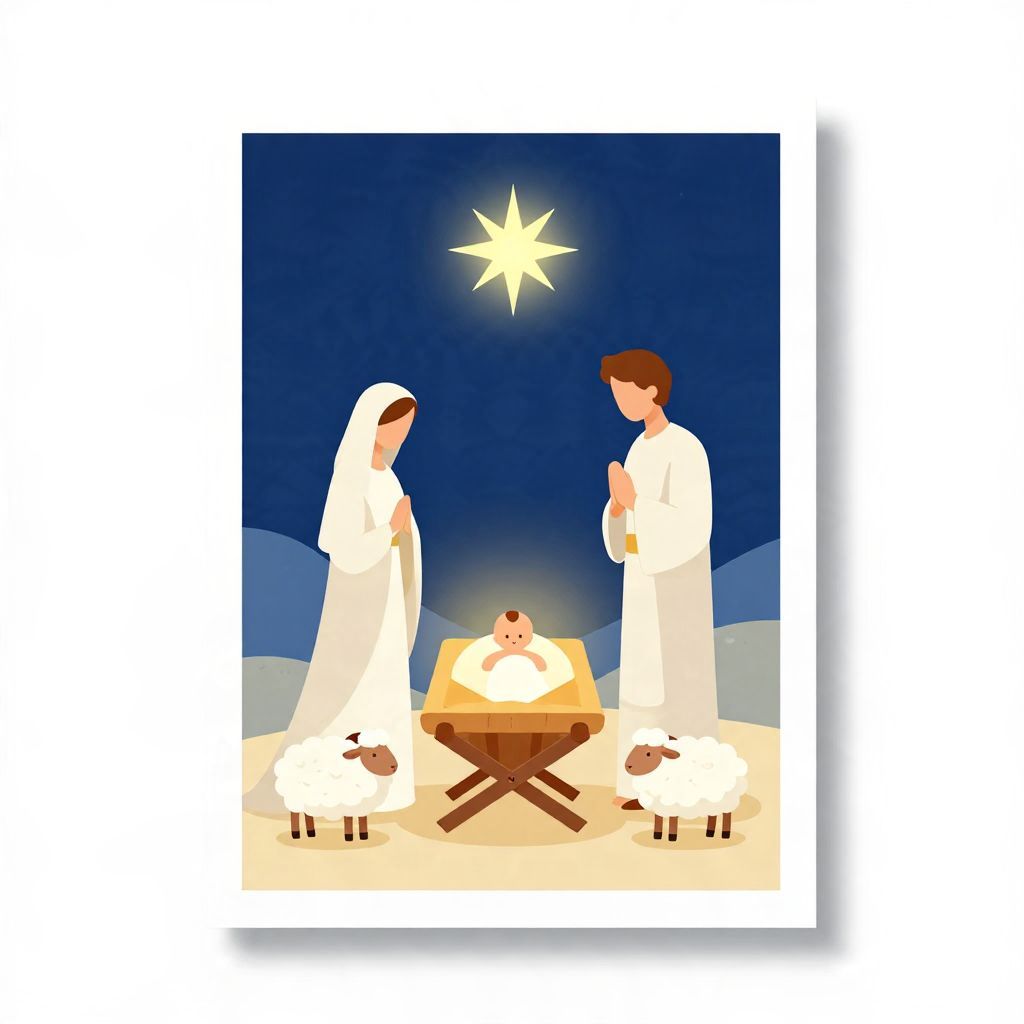
Many people ask when Jesus was born, and the question matters more than curiosity. The birth of Christ grounds the gospel in history, shows God’s faithfulness to His promises, and reminds believers that the Savior entered real human life, not a legend.
Scripture gives the meaning of Jesus’ birth with clarity, even if it does not give a calendar date. The Bible points to Bethlehem, to prophecy fulfilled, and to the humble way God brought salvation into the world.
When Was Jesus Born?
Jesus was born during the reign of Herod the Great, likely between 6 and 4 BC, and the Bible does not give an exact day or month. Scripture tells us that He was born in Bethlehem, in fulfillment of prophecy, and that God chose the right time for the Savior to enter the world.
What Scripture Says About the Timing
Matthew 2:1 says Jesus was born in Bethlehem during Herod’s reign, which helps place the birth in history. Luke 2:1-7 adds that Caesar Augustus ruled, a census took place, and Mary gave birth in humble surroundings.
These details matter. They show that the birth of Jesus belongs to real history, not to myth, and they remind readers that God works through rulers, travel, hardship, and ordinary human events.
Why the Exact Date Is Unknown
The Bible never gives the exact day of Jesus’ birth, and that silence has a purpose. God gives enough light for faith and obedience, not enough detail for human pride to turn the story into a calendar contest.
People often ask for the date as if the answer will settle everything, but Scripture points first to the identity of the Child, not the square on a calendar. Have you noticed how often God gives what the soul needs, not what curiosity demands?
Why December 25 Became Christmas Day
Christians later marked December 25 as a day to remember the birth of Christ, but the Bible never names that date. The church used the day to celebrate the incarnation, the truth that the eternal Son took on flesh and entered our world.
That means Christmas Day carries real spiritual weight, even if it does not mark the exact birthday of Jesus. The date serves the message, and the message matters far more than the wrapping paper, which never saved anyone anyway.
What the Birth of Jesus Means
The birth of Jesus reveals that God keeps His promises. Micah 5:2 foretold Bethlehem, and Isaiah 7:14 spoke of the virgin birth, so the coming of Christ shows that God speaks truth and acts in history.
God Came Near
John 1:14 says the Word became flesh and dwelt among us. That means God did not save from a distance; He came near, entered weakness, and lived among sinners who needed mercy.
This truth comforts weary believers. The One who was born in Bethlehem knows hunger, rejection, sorrow, and human frailty, so no suffering surprises Him.
God Chose Humility
Jesus was not born in a palace, and that choice tells the truth about God’s kingdom. He entered the world in a manger, among the poor, and the first witnesses included shepherds, not the powerful.
God often works in ways that offend human pride. He loves to lift the lowly and expose the emptiness of status, which is bad news for vanity and very good news for sinners.
How the Birth of Jesus Shapes Christian Living
The birth of Christ calls believers to worship with gratitude and live with trust. If God kept His promise to send the Savior, then He will keep every promise that still stands before His people.
Hold to These Truths
- God keeps His word. The birth of Jesus proves that prophecy does not fail.
- God sees the humble. He welcomed shepherds and a young mother, not the proud and polished.
- God saves through Christ alone. The manger leads to the cross, and the cross leads to resurrection.
- God enters real life. He knows family strain, political pressure, and bodily weakness.
These truths shape prayer, patience, and obedience. They teach believers to trust God in ordinary days, not just in dramatic moments when the heart finally stops pretending it has everything under control.
What to Do With This Truth
Read the birth accounts in Matthew 1–2 and Luke 1–2 with care. Ask what each passage says about God’s character, human need, and the gift of salvation through Jesus Christ.
Then respond with worship, not trivia. The question “When was Jesus born?” matters, but the deeper question asks whether the heart has bowed before the One who was born for sinners.
What Believers Should Remember at Christmas and Beyond
Christmas should never end at sentiment. The birth of Jesus calls believers to repentance, faith, generosity, and hope, since the Savior came to rescue people from sin and bring them into God’s family.
Luke says the angels announced “good news that will cause great joy for all the people” in Luke 2:10. That joy comes from a real event in real history, and it still speaks to broken hearts today.
Have you let the birth of Christ become familiar without becoming personal? Scripture asks for more than seasonal warmth; it calls for living faith in the Son of God who came near, lived sinlessly, died for sinners, and rose again.
For more faith-based topics and articles, explore Christian prayer resources and grow through prayer for Bible study as you keep seeking the Lord in His Word.