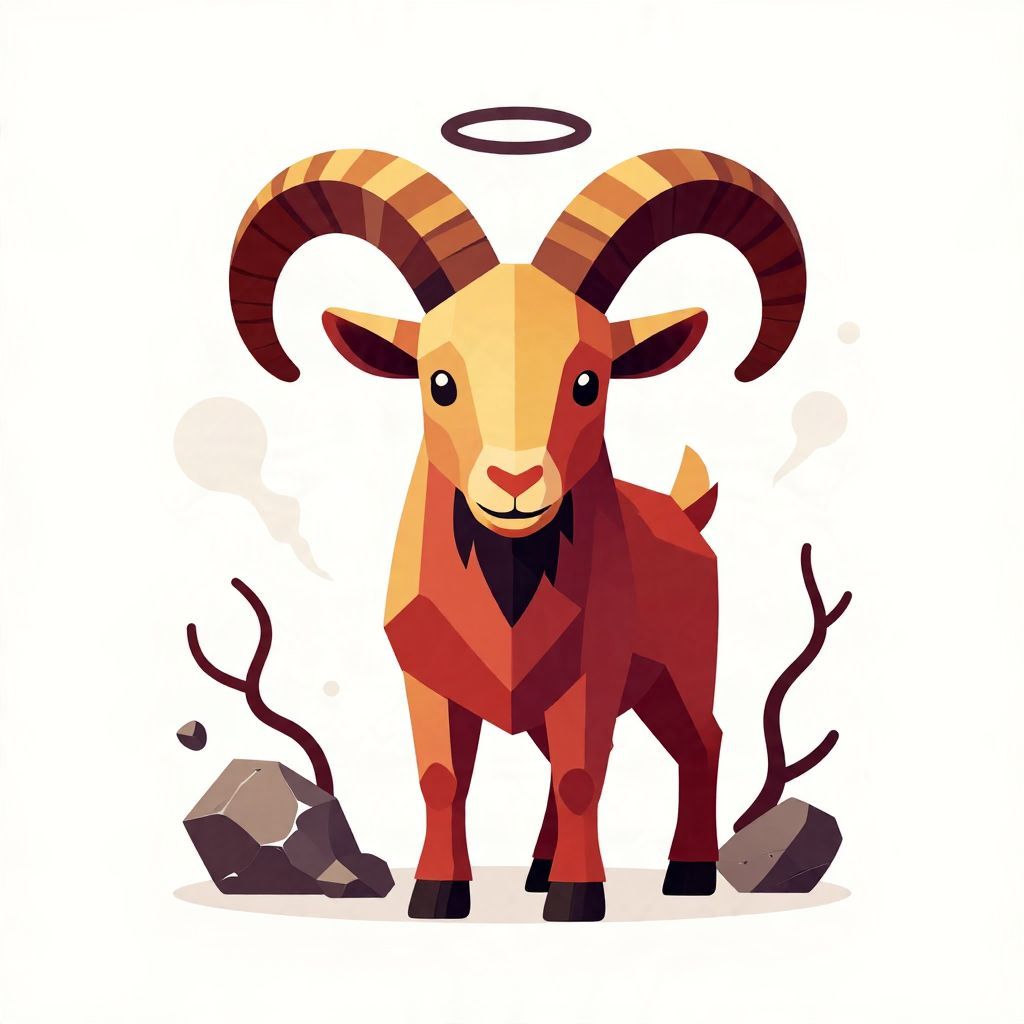
Have you ever wondered why goats show up so often in talk about the devil, sin, and judgment? Scripture does not call goats evil by nature, but it does use them as a vivid picture of stubbornness, separation, and final judgment, which is why the image sticks so strongly.
The Bible uses goats to warn the heart, not to entertain the imagination. That matters, since the real issue is never the animal itself but the spiritual condition it can represent.
Why are Goats Associated with the Devil?
Goats are associated with the devil in Christian thought because Scripture uses goats as a symbol of rebellion, self-will, and judgment, not because goats carry evil in themselves. Jesus placed goats on the left at the final judgment in Matthew 25:31-46, where they picture those who reject mercy and remain apart from the King.
Goats in Scripture Point to Separation
In the Bible, sheep and goats live side by side, yet they act differently and end up separated. That picture fits the final sorting Jesus describes, where the Shepherd knows who belongs to Him and who does not.
Goats do not symbolize people who made a small mistake on a bad day. They picture a settled resistance to Christ, a life that refuses His voice and rejects His care.
Why the Image Feels So Strong
Goats can climb where others cannot, push their way forward, and act with a stubborn streak that makes the image memorable. That stubbornness gives the symbol its force, since sin often looks like self-rule dressed up as freedom.
That is why people connect goats with the devil: Satan himself resists God, twists truth, and leads others into rebellion. A goat image fits that pattern far better than a lamb image does.
What Jesus Meant in the Sheep and Goats Passage
Jesus used the sheep and goats in Matthew 25 to show that final judgment will reveal who truly belongs to Him. The sheep receive the kingdom because they belong to the Shepherd, and the goats face judgment because they refused the King and showed no mercy.
The Difference Is Not Appearance
Both groups stand in the same place, hear the same Judge, and live under the same verdict of truth. The difference lies in the heart, since real faith shows itself in obedience, compassion, and love for Christ’s people.
That passage should sober every reader. Have you ever noticed how easy it is to wear the look of religion while missing the life of repentance?
Goats Reveal a Heart Problem
Jesus does not use goats to mock people; He uses them to warn people. A goat image exposes a heart that resists correction, resents authority, and treats mercy as optional.
That is a serious picture, and it should send every believer back to the question of whether faith shows fruit. James 2:17 teaches that faith without works is dead, which means real trust in Christ changes conduct.
Why Goats Became a Symbol of the Devil
Rebellion Fits Satan’s Pattern
Satan’s work centers on opposition to God. He lies, accuses, tempts, and divides, and a goat image captures that same hard-edged refusal to submit.
The devil never leads anyone toward humble surrender. He always points the heart toward self-rule, and self-rule sounds brave until it crashes into judgment.
Dark Imagery in History Added to the Association
Over time, artists and storytellers used goat features to portray demons, especially in medieval art and folklore. Those images shaped public imagination, even though Scripture itself does not teach that goats are demonic creatures.
That matters, since Christians should let Scripture set the meaning, not folklore with a dramatic costume budget.
The Bible Uses Symbol, Not Superstition
Scripture often uses animals to teach spiritual truth. Lions can picture strength or danger, serpents can picture deception, and goats can picture stubborn separation from God.
The lesson stays simple: symbols serve truth when people keep them in their proper place. Christians should not fear goats; they should fear a heart that refuses the Shepherd.
What the Goat Symbol Teaches About Sin
Goats remind readers that sin often looks ordinary before it looks destructive. A stubborn spirit can seem harmless for a long time, yet it slowly trains the heart to resist God’s voice.
Sin Hardens the Heart
Hebrews 3:15 warns, “Today, if you hear his voice, do not harden your hearts.” That warning fits the goat image well, since stubbornness grows stronger each time a person says no to God.
Sin does not stay polite. It asks for one compromise, then another, until the soul starts calling bondage freedom.
Sin Rejects Shepherd Care
Sheep follow because they trust the shepherd’s voice. Goats push ahead on their own path, which makes them a fitting picture of people who trust themselves more than they trust God.
That pattern shows up in daily life through pride, bitterness, sexual sin, greed, and refusal to forgive. Which direction does your heart choose when God’s Word confronts it?
How Christians Should Respond to This Symbol
Christians should read the goat image with humility, not with smugness. The point of Matthew 25 is not to label other people quickly; the point is to call every heart to honest repentance before God.
Test Your Own Heart
Use these questions as a spiritual checkup:
- Do I hear God’s Word and obey it, or do I explain it away?
- Do I show mercy to others, or do I protect my comfort first?
- Do I follow Christ’s voice, or do I keep pushing my own way?
- Do I repent quickly, or do I keep a stubborn edge?
These questions matter because the gospel never flatters the self. It calls sinners to turn from sin and trust Christ fully.
Cling to the Shepherd, Not the Symbol
Jesus calls Himself the Good Shepherd in John 10:11, and He lays down His life for the sheep. That means the answer to goat-like rebellion is not self-improvement but surrender to Christ.
He saves, leads, corrects, and keeps His people. A believer does not earn that care by effort; a believer receives it by grace and follows it by faith.
What This Means for Spiritual Warfare
The association between goats and the devil reminds Christians that spiritual warfare often begins with small acts of resistance. The enemy loves hard hearts, since a hard heart stops listening and starts drifting.
Stay Alert to Subtle Rebellion
Rebellion rarely announces itself with horns and a dramatic soundtrack. It usually arrives as delay, excuse-making, quiet resentment, or selective obedience.
That is why Scripture calls believers to watchfulness, prayer, and repentance. A soft heart stays teachable, and a teachable heart stays safer than a proud one.
Choose the Way of Christ
Jesus leads His people in truth, humility, and sacrificial love. His way may cost comfort, yet it gives life, peace, and fellowship with God.
That path looks plain, but it saves souls. Goats push against authority; sheep rest under it.
What to Take Away From the Goat Image
Goats are associated with the devil because Scripture uses them as a picture of stubborn rebellion and final separation from God. The symbol warns every reader to reject sin, listen to Christ, and live as one who belongs to the Shepherd.
The real question is not whether goats are evil. The real question is whether the heart submits to Jesus or keeps pushing back.
Ask God for a soft heart, a clean conscience, and a willing spirit. Pray for repentance where sin has hardened you, and trust the Shepherd who knows His sheep by name.
If you want more faith-based topics and articles, explore what Gabriel means and this prayer for deliverance for more Scripture-rooted encouragement.